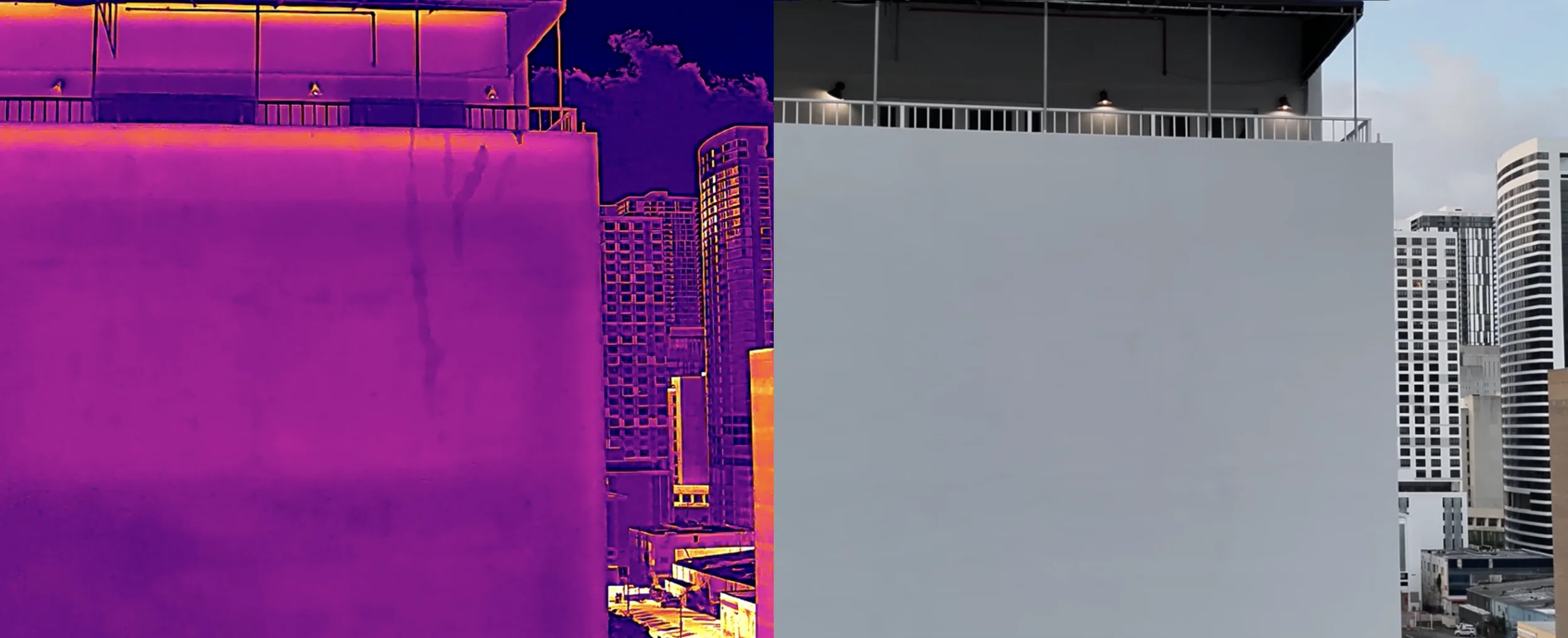
Quick Answer: A commercial building inspection is a systematic evaluation of a property's structural, mechanical, and envelope systems. Costs range from $2,500-$15,000+ depending on building size and scope. Drone-based inspections with AI defect detection deliver 90-100% facade coverage at significantly lower cost than traditional scaffolding methods.
What Is a Commercial Building Inspection?
A commercial building inspection is a comprehensive evaluation of a property's physical condition, structural integrity, and system performance. Unlike residential inspections, commercial inspections cover larger, more complex buildings with multiple systems — HVAC, fire suppression, elevators, parking structures, and building envelope assemblies that require specialized expertise.
Commercial inspections serve multiple purposes: due diligence before property transactions, regulatory compliance with local building codes and safety ordinances, insurance documentation, and proactive maintenance planning that prevents small issues from becoming six-figure emergencies.
The inspection typically produces a detailed report with findings, photographs, severity ratings, and prioritized repair recommendations. For regulatory inspections, a licensed Professional Engineer (PE) stamps the report to certify compliance.
Types of Commercial Building Inspections
| Inspection Type | Purpose | Typical Frequency | Who Performs It |
|---|---|---|---|
| Pre-purchase / Due Diligence | Evaluate condition before acquisition | At each transaction | PE, commercial inspector |
| Facade / Envelope | Assess exterior walls, windows, waterproofing | Every 3-5 years | PE, drone inspection firm |
| Roof Inspection | Evaluate membrane, flashing, drainage | Annually or biannually | Roofing consultant, drone operator |
| Milestone (Florida) | Structural safety per SB-4D | At 25-30 years, then every 10 years | PE or registered architect |
| Fire / Life Safety | Fire suppression, alarms, exits | Annually | Fire marshal, certified inspector |
| ADA Compliance | Accessibility requirements | At renovation or complaint | ADA specialist, architect |
| Environmental | Asbestos, lead, mold, Phase I ESA | At transaction or suspected contamination | Environmental consultant |
What Does the Inspection Cover?
Building Envelope
The building envelope — exterior walls, roof, windows, doors, and waterproofing — is the first line of defense against weather and the most common source of costly problems. Inspectors look for cracking, spalling concrete, failed sealants, efflorescence, rusted flashing, and membrane deterioration.
Structural Systems
Foundations, columns, beams, load-bearing walls, and floor slabs are assessed for signs of settlement, cracking, corrosion, or overloading. Structural deficiencies are the most expensive to repair and the most dangerous to ignore.
Mechanical, Electrical, and Plumbing (MEP)
HVAC units, ductwork, electrical panels, wiring, plumbing supply and drainage, water heaters, and elevators are inspected for code compliance, remaining useful life, and performance.
Fire Protection and Life Safety
Sprinkler systems, fire alarms, smoke detectors, emergency lighting, exit signage, fire-rated assemblies, and fire doors are checked against NFPA codes and local fire marshal requirements.
Site and Exterior
Parking areas, sidewalks, drainage, landscaping, exterior lighting, ADA ramps, and signage are included in the exterior assessment.
How Often Are Inspections Required?
Inspection frequency depends on building type, location, and regulatory requirements:
| Building System | Recommended Frequency | Notes |
|---|---|---|
| Building envelope / facade | Every 3-5 years | Annual in coastal/hurricane zones |
| Roof | Annually or biannually | After every major storm event |
| HVAC systems | Annually | Per manufacturer and code |
| Fire protection | Annually | Required by NFPA and local fire code |
| Elevators | Annually | State-mandated in most jurisdictions |
| Electrical | Every 3-5 years | Infrared scan recommended annually |
| Plumbing | Every 3-5 years | Camera inspection for older buildings |
How Much Does It Cost?
| Building Type | Size (sq ft) | Traditional Cost | With Drone + AI |
|---|---|---|---|
| Small office (1-3 stories) | 5,000-20,000 | $2,500 - $5,000 | $3,000 - $6,000 |
| Mid-rise office (4-10 stories) | 20,000-100,000 | $5,000 - $12,000 | $5,000 - $10,000 |
| High-rise (10+ stories) | 100,000+ | $10,000 - $25,000+ | $8,000 - $15,000 |
| Warehouse / industrial | 20,000-200,000 | $3,000 - $8,000 | $3,500 - $7,000 |
| Retail / mixed-use | 10,000-50,000 | $3,000 - $8,000 | $3,500 - $7,500 |
Note that drone-based inspections often have lower total cost for mid-rise and high-rise buildings because they eliminate $20,000-$50,000 in scaffolding rental, reduce inspection time from weeks to days, and do not require tenant notification or road closures.
How Drones Are Changing Commercial Inspections
Traditional commercial building inspections rely on scaffolding, boom lifts, or rope access to examine upper floors and roofs. These methods are expensive, time-consuming, disruptive to tenants, and inherently dangerous. Drone inspections are replacing these approaches across the industry:
- 90-100% facade coverage versus the 10-15% that ground-level visual inspection achieves
- AI-powered analysis — machine learning models classify cracks, spalling, staining, and other defects with GPS coordinates and severity ratings
- Thermal imaging detects hidden moisture intrusion, insulation failures, and HVAC leaks invisible to the naked eye
- 3D models and orthomosaics allow engineers to measure defect areas remotely without returning to the site
- Year-over-year tracking — annual drone surveys create a visual record that reveals deterioration trends before they become emergencies
How to Choose an Inspection Provider
When selecting a provider for your commercial building inspection, ask these questions:
- Are your engineers licensed? For regulatory compliance, the report must be PE-stamped. Confirm the engineer is licensed in your state.
- What technology do you use? Providers using drones with AI defect detection and thermal imaging deliver significantly more complete data than visual-only inspections.
- What is your turnaround time? Ask about typical turnaround times for your project type. Faster delivery is often available for urgent situations.
- Do you carry adequate insurance? Minimum $5 million general liability plus professional liability (E&O) coverage.
- Can you provide references? Ask for examples of inspections on buildings similar in size and type to yours.
Florida-Specific Requirements
Florida has some of the strictest building inspection requirements in the country, driven by SB-4D and HB 913:
- Milestone inspections — required for all buildings 3+ habitable stories at 25 years (coastal) or 30 years (inland), then every 10 years
- SIRS (Structural Integrity Reserve Study) — mandatory for condominiums and cooperatives 3+ stories, with full reserve funding required starting January 2025
- 40-year recertification — Miami-Dade and Broward County require recertification at 40 years (now 25/30 years under SB-4D)
Need a commercial building inspection? Get a free quote from AERIALLY.AI — drone and AI-powered inspections with PE-certified reports available.
Need a Building Inspection?
Get a free consultation and custom quote — 1-hour average response time. PE-certified reports. significantly less than scaffolding.
Frequently Asked Questions
How much does a commercial building inspection cost?
Commercial building inspections typically cost $2,500-$15,000+ depending on building size, number of stories, and scope. A basic visual inspection of a small office building may cost $2,500-$5,000, while a comprehensive assessment with thermal imaging and drone facade scanning of a high-rise can exceed $15,000.
How often should a commercial building be inspected?
Most commercial properties should have a comprehensive exterior inspection every 3-5 years. In Florida, buildings 3+ stories must undergo milestone inspections at 25-30 years and every 10 years after. HVAC, electrical, and fire systems typically require annual inspections per local code.
What does a commercial building inspection include?
A thorough commercial inspection covers the building envelope (roof, walls, windows, waterproofing), structural systems (foundations, columns, beams, slabs), mechanical systems (HVAC, plumbing, electrical), fire protection, ADA compliance, parking areas, and site conditions including drainage and paving.
Who performs commercial building inspections?
Commercial inspections are performed by licensed Professional Engineers (PE), registered architects, certified commercial inspectors, or specialized inspection firms. For regulatory compliance like Florida SB-4D milestone inspections, a PE or registered architect is required by law.
Can drones inspect commercial buildings?
Yes. Drone inspection is now the preferred method for commercial building exteriors. Drones capture high-resolution imagery of every facade surface, roof, and hard-to-reach area without scaffolding. Combined with AI defect detection and thermal imaging, drones deliver more complete data at significantly lower cost than traditional methods.
What triggers a commercial building inspection?
Common triggers include property transactions (due diligence), insurance renewals, regulatory compliance deadlines, visible deterioration, weather events (hurricanes, floods), tenant complaints about leaks or system failures, and scheduled maintenance programs.