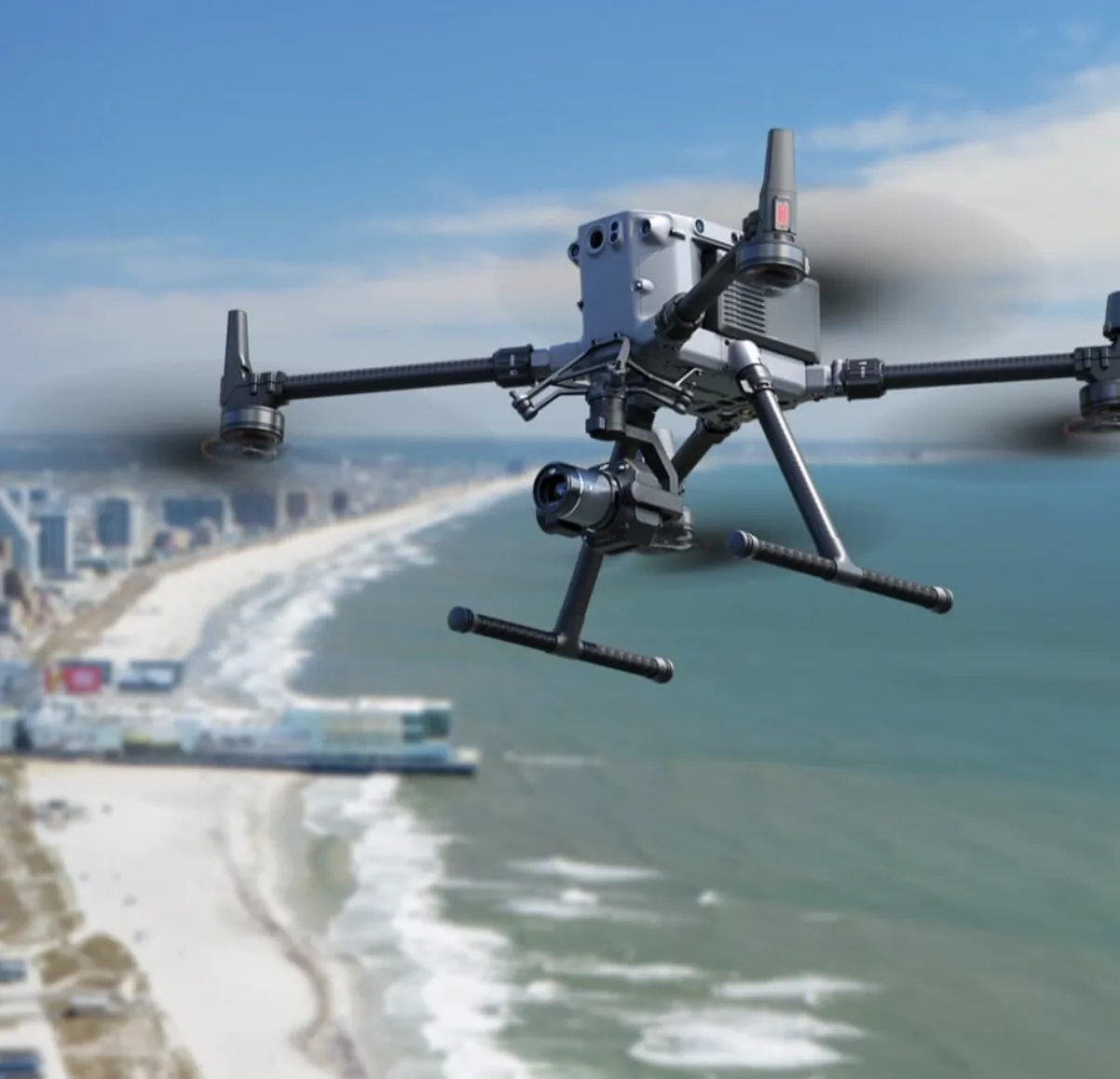
Quick Answer: Drone inspection costs $4,000-$12,000 and takes 1-2 days with 90-100% facade coverage. Scaffolding inspection costs $35,000-$90,000+ and takes 3-6 weeks with 10-15% coverage per setup. Drones are faster, cheaper, safer, and more thorough for the visual assessment phase of building inspections.
Side-by-Side Comparison
| Factor | Drone Inspection | Scaffolding Inspection |
|---|---|---|
| Total Cost | $4,000 - $12,000 | $35,000 - $90,000+ |
| Scaffolding Setup | $0 | $20,000 - $50,000 |
| Timeline | 1-2 days | 3-6 weeks |
| Facade Coverage | 90-100% | 10-15% per setup |
| Resident Disruption | None | Significant (noise, restricted access) |
| Safety Risk | Minimal (no height work) | Fall hazard for inspectors |
| Report Turnaround | Days, not weeks | 2-4 weeks |
| Repeat Inspections | Easy — fly again | Requires new scaffolding setup |
Cost Comparison
The cost difference between drone and scaffolding inspection is driven primarily by one factor: scaffolding rental and setup.
For a typical 15-story condominium building in Miami:
Scaffolding-Based Inspection
- Scaffolding rental and installation: $25,000 - $45,000
- Engineering and inspection labor: $10,000 - $25,000
- Permits and insurance: $2,000 - $5,000
- Resident notification and coordination: included
- Total: $37,000 - $75,000
Drone-Based Inspection
- Drone flight and data capture: $3,000 - $6,000
- AI analysis and PE report: $1,000 - $4,000
- FAA authorization: included
- Scaffolding: $0
- Total: $4,000 - $10,000
That is a significant cost reduction. For a 200-unit condo building, the drone approach can work out to a fraction of a single monthly maintenance fee.
Coverage and Data Quality
This is where the comparison becomes most compelling. Scaffolding provides access to a narrow band of the facade — typically the areas immediately surrounding the scaffolding platform. An inspector on scaffolding can physically examine approximately 10-15% of a building's exterior surface in a single setup.
To inspect the remaining 85-90%, the scaffolding must be disassembled and reassembled at new positions — a process that adds weeks and tens of thousands of dollars per move.
A drone facade inspection captures 90-100% of the building surface in a single flight session. Every facade, every elevation, every rooftop detail is documented with 20-50MP imagery. The resulting orthomosaics and 3D models provide a permanent digital record that can be revisited, measured, and compared against future inspections.
Data Permanence
Scaffolding inspections produce notes, sketches, and limited photographs. Drone inspections produce thousands of geo-referenced images, stitched orthomosaics, thermal overlays, and 3D point clouds. This data can be re-analyzed years later — a capability that has no equivalent in traditional methods.
Safety
Falls from height remain the #1 cause of death in the construction industry. OSHA reports over 300 fatal falls annually in the United States. Scaffolding inspections put inspectors at elevation for days or weeks.
Drone inspections keep all personnel on the ground. The pilot operates the aircraft from a safe position below, with no need to climb, harness, or work at height. This eliminates fall risk entirely and reduces the building owner's liability exposure.
Impact on Tenants and Residents
For condo boards and commercial property managers, tenant disruption is a major consideration:
| Factor | Scaffolding | Drone |
|---|---|---|
| Noise level | Hammering, metal clanking during setup (1-3 weeks) | Drone motor hum for 4-8 hours, one day |
| Window access | Workers visible outside windows, privacy concerns | Drone passes briefly, no lingering |
| Parking/access restrictions | Staging areas block parking, sidewalks, entries | Single launch/landing point, minimal footprint |
| Duration of disruption | 3-6 weeks of active work | 1-2 days total |
| Advance notice required | 2-4 weeks notice, ongoing coordination | 24-48 hours notice |
| Liability concerns | Workers at height near balconies and windows | No personnel near building |
For parking garages and commercial properties, the tenant disruption difference is particularly significant. A scaffolding setup that blocks loading docks or parking spaces for weeks can affect tenant business operations and generate complaints.
When Scaffolding Is Still Needed
Drones do not replace every function of scaffolding. Physical access is still required for:
- Hands-on testing — Sounding (tap tests) to check for delamination behind tiles or stucco
- Material sampling — Core samples of concrete, mortar, or coating materials for laboratory analysis
- Repairs — Actual remediation work (patching, sealing, replacement) requires physical presence
- Phase 2 invasive testing — If SB-4D Phase 1 triggers a Phase 2, some destructive testing requires scaffolding access
The smart approach: use drone inspection first to identify exactly where problems exist, then deploy scaffolding only to those specific areas. This targeted approach can significantly reduce scaffolding costs compared to full-building scaffolding setups.
The Best Approach: Hybrid
The most effective building inspection strategy combines both methods:
- Drone survey (day 1-2) — Complete facade and roof inspection with visual and thermal sensors. AI analysis identifies all defect locations.
- Targeted scaffolding (if needed) — Deploy scaffolding only to areas flagged by the drone survey for hands-on investigation or Phase 2 testing.
- PE report — Engineer reviews all drone data plus any scaffolding findings to produce a certified assessment.
This hybrid method delivers better data, lower cost, less disruption, and faster turnaround than either approach alone.
Ready to see how drone inspection works for your building? Get a free assessment or call us at +1 (347) 998-1464.
Need a Building Inspection?
Get a free consultation and custom quote — 1-hour average response time. PE-certified reports. significantly less than scaffolding.
Frequently Asked Questions
Is a drone inspection as thorough as a scaffolding inspection?
Drone inspections typically provide more thorough coverage. A drone captures 90-100% of the building facade, while scaffolding only provides access to 10-15% of the surface area at a given setup position. The drone imagery is also permanently archived for comparison over time.
When is scaffolding still necessary?
Scaffolding is still needed when physical access to the surface is required — for example, performing hands-on tap tests, collecting material samples, or executing repairs. Drone inspections identify where these interventions are needed, so scaffolding can be deployed precisely rather than covering the entire building.
How much faster is a drone inspection?
A drone inspection of a typical 10-20 story building takes 4-8 hours. Scaffolding setup alone takes 1-3 weeks before inspection can begin, followed by 1-2 weeks of inspection work. Total timeline with scaffolding: 3-6 weeks versus 1-2 days with a drone.
Can drones inspect all building types?
Drones can inspect most building types including high-rises, condominiums, commercial offices, warehouses, parking structures, and single-family homes. Limitations include heavily recessed facades, interior courtyards with limited airspace, and buildings directly adjacent to active airport runways.
Do building departments accept drone inspection reports?
Yes, when the report is certified by a Florida-licensed Professional Engineer or Registered Architect. The inspection method (drone vs scaffolding) is not specified in most building codes — what matters is the qualifications of the inspecting professional and the thoroughness of the documentation.