Key Update (2026): Florida's building inspection landscape has been reshaped by SB-4D (2022) and HB 913 (2024/2025). All condos and cooperatives with 3+ habitable stories must now complete milestone inspections and Structural Integrity Reserve Studies. Key deadlines are actively in effect — check the timeline table below for your building's obligations.
Overview of Florida Inspection Requirements
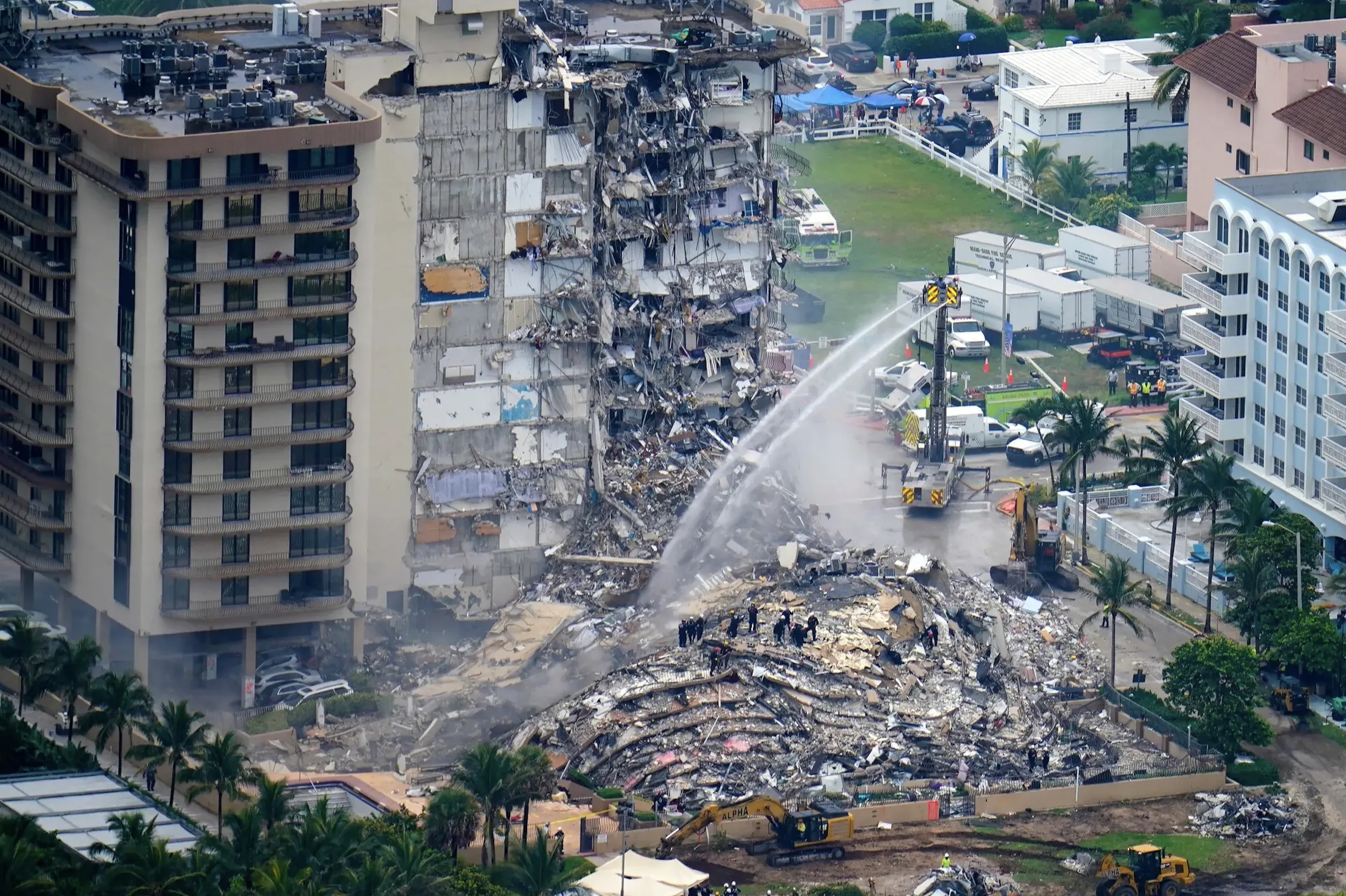
Following the Champlain Towers South collapse in Surfside (June 2021), Florida enacted the most comprehensive structural safety inspection requirements in the United States. These requirements affect thousands of condominium and cooperative buildings across the state.
The current regulatory framework consists of three overlapping inspection requirements:
- Milestone inspections — statewide structural safety assessment under SB-4D
- SIRS — mandatory reserve funding studies for structural components
- 40-year recertification — existing local requirements in Miami-Dade and Broward counties
Understanding how these requirements interact, and which deadlines apply to your building, is critical for compliance.
Milestone Inspections (Statewide)
Who Must Comply
All residential condominiums and cooperative buildings with three or more habitable stories. HB 913 clarified that "habitable" excludes parking levels, mechanical floors, and storage areas.
When Inspections Are Required
- Initial inspection: At 30 years of age (or 25 years if located within 3 miles of the coast, as determined by the local enforcement agency)
- Recurrence: Every 10 years after the initial milestone inspection
The Two-Phase Process
Phase 1 is a visual examination of the building's structural components by a licensed PE or registered architect. The inspector looks for signs of substantial structural deterioration — cracking, spalling, corrosion, settlement, and other indicators of distress.
Phase 2 is triggered only if Phase 1 finds substantial structural deterioration. It involves destructive and non-destructive testing: core samples, rebar exposure, chloride analysis, load testing, and a comprehensive repair plan with cost estimates and timelines.
Who Can Perform It
A Florida-licensed Professional Engineer (PE) or registered architect. The inspector must have experience with structural systems relevant to the building type.
Structural Integrity Reserve Studies (SIRS)
A SIRS combines a visual condition assessment with a 30-year reserve funding plan for major structural components. It answers two questions: what condition are the building's critical systems in, and is there enough money set aside to maintain them?
Mandatory Components
- Roof (membrane, flashing, drainage, insulation)
- Structural systems (load-bearing walls, columns, beams, slabs, foundations)
- Fireproofing and fire protection systems
- Plumbing (common elements)
- Electrical systems (common elements)
- Waterproofing and exterior painting
- Windows and exterior doors (common elements)
- Any item exceeding $25,000 replacement cost that affects structural integrity or safety
Reserve Funding Changes
Starting January 1, 2025, budgets must fully fund SIRS components without waivers. This is a fundamental change from prior practice where many Florida condo boards routinely waived or reduced reserve contributions for structural components.
40-Year Recertification (Miami-Dade and Broward)
The 40-year recertification program predates SB-4D and remains in effect in Miami-Dade and Broward counties. Under the new statewide milestone inspection requirements, buildings in these counties will typically hit their milestone inspection trigger (25-30 years) before the 40-year mark.
In practice, the milestone inspection now supersedes the 40-year recertification for most buildings. However, buildings that have already completed their 40-year recertification may coordinate future milestone inspections with their existing recertification schedule.
Complete Deadline Timeline
| Deadline | Requirement | Applies To |
|---|---|---|
| Dec 31, 2024 | Milestone inspection | Buildings with CO issued on or before July 1, 1992 |
| Jan 1, 2025 | SIRS reserve funding (no waivers) | All applicable associations adopting budgets after this date |
| Dec 31, 2025 | Milestone inspection | Buildings reaching 30 years between July 2022 and Dec 2024 |
| Dec 31, 2025 | Initial SIRS completion | Owner-controlled associations existing before July 1, 2022 |
| Dec 31, 2026 | Extended SIRS deadline | Associations coordinating SIRS with milestone inspection |
| Every 10 years | Milestone inspection renewal | All applicable buildings after initial |
| Every 10 years | SIRS update | All applicable associations after initial |
Inspection Costs by Type
| Inspection Type | Small Building (3-5 stories) | Mid-Size (6-12 stories) | High-Rise (13+ stories) |
|---|---|---|---|
| Milestone Phase 1 | $5,000 - $8,000 | $8,000 - $15,000 | $15,000 - $25,000 |
| Milestone Phase 2 (if triggered) | $15,000 - $25,000 | $25,000 - $40,000 | $40,000 - $75,000+ |
| SIRS | $5,000 - $8,000 | $8,000 - $15,000 | $15,000 - $30,000 |
| SIRS + drone visual assessment | $8,000 - $12,000 | $12,000 - $20,000 | $20,000 - $35,000 |
| 40-year recertification | $3,000 - $8,000 | $8,000 - $15,000 | $15,000 - $30,000 |
For a detailed breakdown of costs, see our building inspection cost guide.
How Drone Inspections Support Compliance
Both milestone inspections and SIRS require visual assessment of building exteriors. Drone inspection provides significant advantages for this component:
- 90-100% facade coverage — compared to 10-15% with ground-level assessment, giving the PE comprehensive data for their report
- Thermal imaging reveals hidden moisture and insulation failures the visual inspection cannot detect
- AI defect classification creates an objective, quantified record of every crack, spall, stain, and anomaly
- Documentation for SIRS reserves — drone data helps engineers estimate remaining useful life and calculate accurate reserve funding amounts
- No scaffolding costs — eliminates $20,000-$50,000+ in rigging that traditional facade inspections require
Penalties for Non-Compliance
- Fines — local building officials can impose daily fines for failing to complete required inspections
- Certificate of occupancy — can be revoked, forcing evacuation and barring occupancy
- Building condemnation — in extreme cases of structural safety concerns
- Board member liability — individual board members may face personal legal liability for knowingly failing to comply
- Insurance consequences — carriers may refuse coverage or dramatically increase premiums for non-compliant buildings
- Property value impact — buyers and lenders increasingly require proof of compliance, making non-compliant units difficult to sell or finance
Need help with your Florida building inspection? Contact AERIALLY.AI for a free consultation — we provide drone-based visual assessments that support milestone inspections and SIRS with PE-certified reports available.
Need a Building Inspection?
Get a free consultation and custom quote — 1-hour average response time. PE-certified reports. significantly less than scaffolding.
Frequently Asked Questions
What building inspections are required in Florida?
Florida requires milestone structural inspections for buildings 3+ habitable stories (at 25-30 years, then every 10 years), Structural Integrity Reserve Studies (SIRS) for condos 3+ stories, 40-year recertification in Miami-Dade and Broward counties, and standard code inspections during construction. Additional requirements may apply per local ordinance.
When did Florida change its building inspection laws?
The major changes came through SB-4D (2022) following the Surfside condo collapse, which created statewide milestone inspection and SIRS requirements. HB 913 (2024/2025) refined these requirements, extending certain deadlines and clarifying the definition of habitable stories.
What is the Florida milestone inspection deadline?
Buildings with certificates of occupancy issued before July 1, 1992 had an initial deadline of December 31, 2024. Buildings reaching 30 years between July 2022 and December 2024 have until December 31, 2025. All applicable buildings then require inspections every 10 years after their initial milestone inspection.
What is the difference between milestone inspection and 40-year recertification?
The 40-year recertification is a local requirement in Miami-Dade and Broward counties that predates SB-4D. Milestone inspections are the statewide requirement under SB-4D. Under the new law, milestone inspections effectively supersede and replace the 40-year recertification with the earlier trigger of 25-30 years.
What happens if a Florida building fails its inspection?
If a Phase 1 milestone inspection finds substantial structural deterioration, a Phase 2 inspection is required within 180 days. Phase 2 involves destructive testing (core samples, rebar exposure) and a detailed repair plan. Non-compliance can result in fines, certificate of occupancy revocation, building condemnation, and personal liability for board members.
How much do Florida building inspections cost?
Milestone Phase 1 inspections cost $5,000-$15,000 depending on building size. Phase 2 (if triggered) costs $15,000-$50,000+. SIRS costs $5,000-$35,000. Drone inspections for the visual assessment component cost $3,000-$12,000 and provide significantly more comprehensive coverage than traditional methods.