Quick Answer: Florida SB-4D (Senate Bill 4-D) requires milestone structural inspections for condominium and cooperative buildings 3+ stories tall. First inspection is due at 30 years from the Certificate of Occupancy (25 years in some coastal jurisdictions). Non-compliance carries fines, code violations, and potential board director liability.
What Is SB-4D?
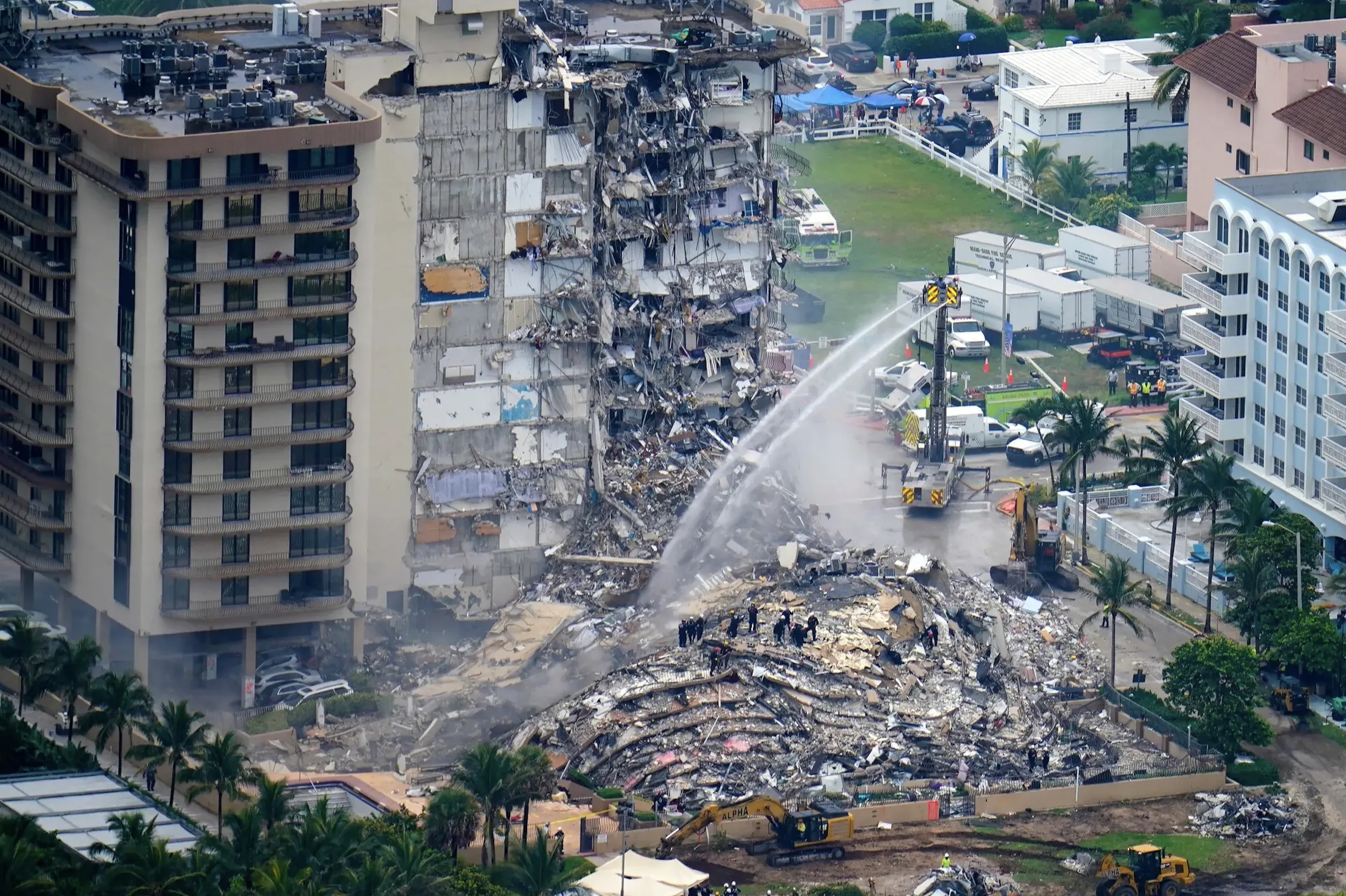
Florida Senate Bill 4-D was enacted in May 2022, a direct response to the Champlain Towers South collapse in Surfside on June 24, 2021, which killed 98 people. The legislation — later amended by SB 154 in 2023 and HB 913 in 2024 — mandates periodic structural inspections of aging condominium and cooperative buildings throughout Florida.
The law created a statewide inspection framework that previously existed only in Miami-Dade and Broward counties (which had their own 40-year recertification programs since the 1970s). SB-4D codified these requirements at the state level under Florida Statute 553.899.
Who Must Comply
SB-4D applies to condominium and cooperative buildings that are three or more habitable stories tall. This includes:
- Residential condominiums
- Mixed-use buildings with residential condo units
- Cooperative housing buildings
- Any building with a condominium or cooperative form of ownership that meets the height threshold
Exempt from SB-4D:
- Single-family homes and duplexes
- Apartment buildings (rental, not condo)
- Commercial-only buildings without condo/co-op ownership
- Buildings under 3 habitable stories
Note: While SB-4D specifically targets condos and co-ops, many Florida local governments (including Miami-Dade, Broward County, and Palm Beach County) have separate 40-year recertification programs that apply to ALL buildings regardless of ownership type.
Deadlines by Building Age
| Building Age | Inspection Deadline | Notes |
|---|---|---|
| 30 years from CO | By December 31 of the milestone year | Standard statewide threshold |
| 25 years from CO | By December 31 of the milestone year | Coastal jurisdictions may require earlier inspection (within 3 miles of coast) |
| CO before July 1, 1992 | Was due December 31, 2024 | Extensions available under SB 154 if inspection is in progress |
| Every 10 years after first | Ongoing | Recurring requirement after initial milestone inspection |
Key date: Buildings reaching their 25 or 30-year milestone in 2025 or 2026 must complete inspections by December 31 of that year. Related Structural Integrity Reserve Studies (SIRS) may be delayed to coincide, but no later than December 31, 2026.
Phase 1 vs Phase 2 Inspections
Phase 1: Visual Examination
A Florida-licensed Professional Engineer (PE) or Registered Architect conducts a visual examination of the building's structural components. This includes the primary structural members and systems: load-bearing walls, foundations, floor systems, columns, beams, and the building envelope.
The Phase 1 inspection determines whether there is evidence of substantial structural deterioration. If no substantial deterioration is found, the building passes with documentation filed to the local building official.
Phase 2: Detailed Investigation
If Phase 1 identifies signs of substantial structural deterioration, a Phase 2 inspection is required. This involves:
- Destructive and non-destructive testing of structural members
- Load capacity analysis
- Detailed assessment of the extent and severity of deterioration
- A repair or remediation plan with cost estimates and timelines
Phase 2 reports must be filed with the local building official, provided to the association, retained for 15 years, and made available to current and prospective buyers.
Structural Integrity Reserve Studies (SIRS)
SB-4D also requires associations to complete a Structural Integrity Reserve Study (SIRS) every 10 years. SIRS must include reserve analysis for:
- Roof
- Load-bearing walls and primary structural members
- Foundation
- Floor systems
- Plumbing
- Electrical systems
- Waterproofing and exterior painting
- Windows and exterior doors
- Fire protection systems
Associations can no longer vote to waive or reduce reserve funding for these structural components — a practice that contributed to deferred maintenance at Champlain Towers South.
Penalties for Non-Compliance
Failing to complete required inspections carries serious consequences:
- Code violations and fines — Local building departments can issue violations and impose fines, which vary by jurisdiction but can reach $10,000 or more per month
- Loss of certificate of occupancy — In extreme cases, buildings may be declared unsafe for habitation
- Board director liability — Individual board members may face personal legal liability for failure to comply with inspection mandates
- Insurance consequences — Insurers may deny coverage or refuse renewal for non-compliant buildings
- Property value impact — Buyers and lenders increasingly require proof of SB-4D compliance before closing transactions
How Drone Inspections Support SB-4D Compliance
Traditional Phase 1 inspections rely on ground-level observation and, for taller buildings, scaffolding or boom lifts to access the facade. This approach has significant limitations:
- Scaffolding typically covers only 10-15% of the building facade
- Setup costs add $20,000-$50,000 to the inspection budget
- Scaffolding installation disrupts residents for weeks
- Inspector access is limited by scaffolding placement
Drone-assisted facade inspections change this equation. A commercial drone with 50MP cameras captures every surface of the building in hours, producing documentation that covers 90-100% of the facade. The PE still reviews all imagery and certifies the report — the drone provides better data, faster, at lower cost.
Drone inspections are particularly valuable for SB-4D compliance because they:
- Document the entire building envelope in a single session
- Create permanent, GPS-referenced visual records
- Detect issues that traditional methods miss due to limited access
- Reduce inspection costs by 60-80% compared to scaffolding-based methods
- Cause zero disruption to building residents
If your building is approaching its milestone inspection deadline, request a free assessment from our team. We can typically deploy within the same week from our Miami headquarters.
For buildings in Miami-Dade County, also review the 40-year recertification requirements, which apply in addition to SB-4D.
Need a Building Inspection?
Get a free consultation and custom quote — 1-hour average response time. PE-certified reports. significantly less than scaffolding.
Frequently Asked Questions
What buildings must comply with SB-4D?
Any condominium or cooperative building that is three or more habitable stories tall must undergo milestone structural inspections under SB-4D. Single-family homes and duplexes are exempt.
When is my building's milestone inspection due?
Buildings must complete their first milestone inspection at 30 years from the original Certificate of Occupancy. Local governments in coastal areas may require inspection at 25 years. Subsequent inspections are required every 10 years.
What is the difference between Phase 1 and Phase 2?
Phase 1 is a visual examination by a licensed engineer or architect to identify signs of substantial structural deterioration. If Phase 1 finds evidence of deterioration, Phase 2 requires a more detailed investigation, which may include destructive testing, load analysis, and a repair plan.
What are the penalties for not completing an SB-4D inspection?
Non-compliance can result in fines, code violations, loss of certificate of occupancy, and personal liability for board directors. Some jurisdictions have imposed fines of $10,000 or more per month per violation.
How much does an SB-4D milestone inspection cost?
Costs vary based on building size and condition. Drone-assisted Phase 1 inspections typically run $4,000-$12,000. Traditional methods with scaffolding can cost $15,000-$40,000+. Phase 2 investigations, if required, add $10,000-$50,000+.
Can a drone inspection satisfy SB-4D requirements?
Drone inspections provide the visual documentation needed for Phase 1 assessments. The inspection still requires sign-off by a Florida-licensed Professional Engineer or Registered Architect. Drones enhance the data quality by providing 90-100% facade coverage compared to 10-15% with traditional methods.