Key Update (2026): Under HB 913, the initial SIRS deadline was extended to December 31, 2025 for most associations, with a further extension to December 31, 2026 for those coordinating with milestone inspections. Budgets adopted after January 1, 2025 must fully fund SIRS components without waivers.
What Is a Structural Integrity Reserve Study?
A Structural Integrity Reserve Study (SIRS) is a state-mandated assessment that combines two critical functions: a visual condition inspection of major structural components and a 30-year reserve funding plan to ensure adequate money is set aside for repairs and replacements.
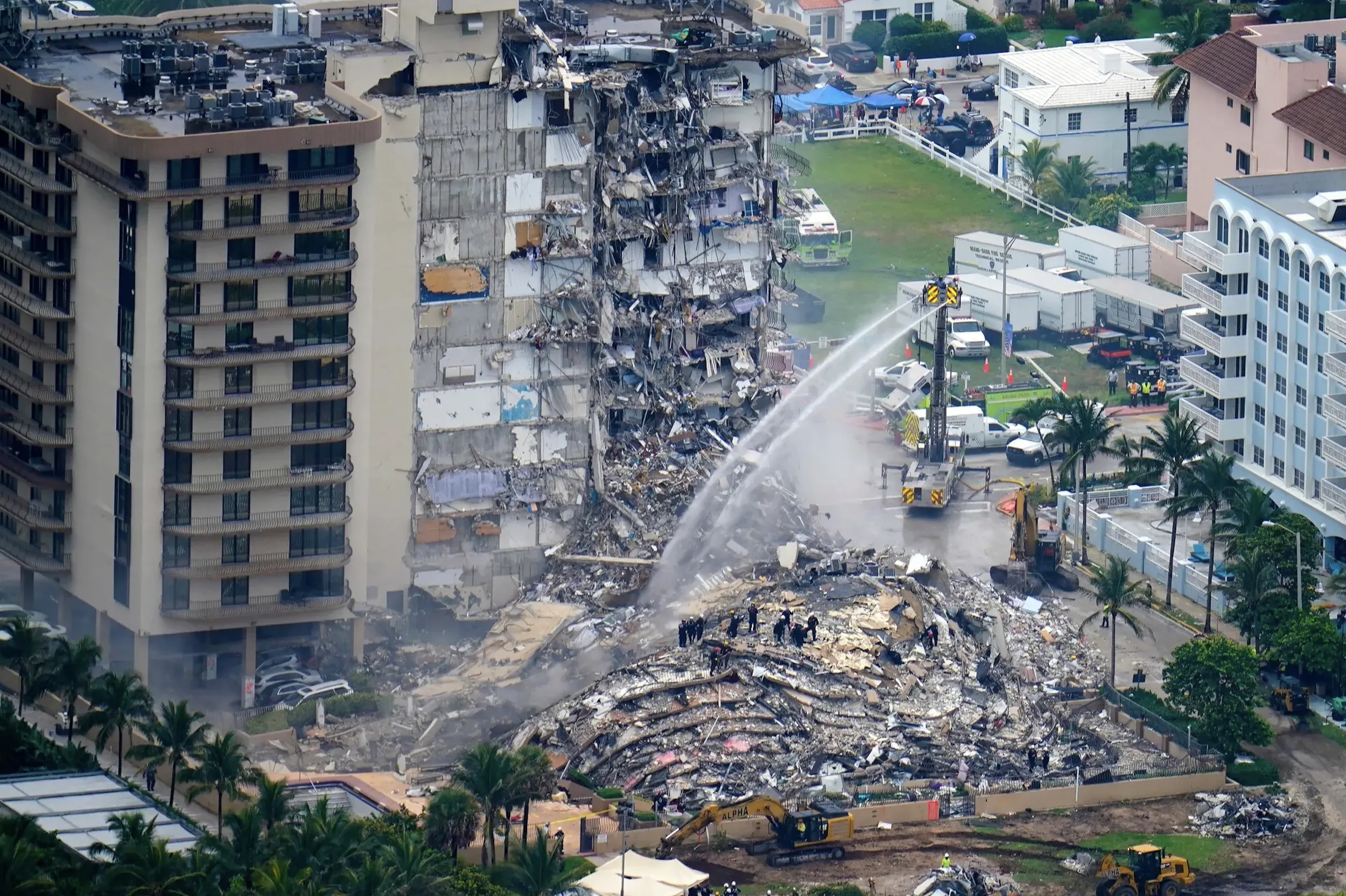
The SIRS requirement was created by Florida Senate Bill 4-D (SB-4D) in 2022, following the Champlain Towers South collapse in Surfside. It was subsequently refined by SB 154 (2023) and HB 913 (2024), which extended deadlines and clarified requirements.
The purpose is straightforward: prevent associations from deferring critical maintenance by waiving reserve contributions for structural components. Before SB-4D, many Florida condos operated with severely underfunded reserves, creating dangerous situations where visible deterioration went unaddressed for years.
Which Florida Buildings Need a SIRS?
The SIRS requirement applies to:
- Condominium associations with buildings three or more habitable stories in height
- Cooperative associations with buildings three or more habitable stories
- Associations that were existing before July 1, 2022
Exempt buildings:
- Four-family dwellings with three or fewer habitable stories above ground
- Buildings under two habitable stories
- Associations created after July 1, 2022 (they must include SIRS from inception)
Note the key word change: HB 913 clarified that the threshold is habitable stories, not just stories. Parking garages, mechanical floors, and other non-habitable levels may not count toward the three-story threshold.
What Are the SIRS Deadlines?
| Deadline | Applies To | Details |
|---|---|---|
| Dec 31, 2025 | Most owner-controlled associations existing before July 1, 2022 | Primary deadline for initial SIRS completion |
| Dec 31, 2026 | Associations with milestone inspections due by this date | Extension available when coordinating SIRS with milestone inspection |
| Jan 1, 2025 | All applicable associations | Budgets adopted after this date must fully fund SIRS components |
| Every 10 years | All applicable associations | SIRS must be updated after initial completion |
Critical note: Starting with budgets adopted on or after January 1, 2025, associations can no longer waive or reduce reserve funding for SIRS components. This is a dramatic shift from prior practice where many boards routinely waived reserves.
What Does a SIRS Cover?
A SIRS must assess the condition and remaining useful life of these mandatory components:
- Roof — membrane, flashing, drainage, insulation
- Structural systems — load-bearing walls, columns, beams, slabs, foundations
- Fireproofing and fire protection — sprinklers, fire barriers, fireproofing materials
- Plumbing — supply lines, drainage, water heaters (common elements)
- Electrical systems — panels, wiring, emergency generators (common elements)
- Waterproofing and exterior painting — sealants, coatings, stucco, caulking
- Windows and exterior doors — common element windows, sliding doors, frames
Additionally, any other item whose replacement or deferred maintenance cost exceeds $25,000 (adjusted annually for inflation) and whose failure could affect structural integrity or safety must also be included.
How Much Does a SIRS Cost?
| Building Size | Estimated SIRS Cost | With Drone Visual Assessment |
|---|---|---|
| Small condo (3-5 stories, under 50 units) | $5,000 - $8,000 | $8,000 - $12,000 |
| Mid-size condo (6-12 stories, 50-150 units) | $8,000 - $15,000 | $12,000 - $20,000 |
| Large high-rise (13+ stories, 150+ units) | $15,000 - $30,000 | $20,000 - $35,000 |
While adding drone inspection to the visual assessment increases the initial cost, it provides 90-100% facade coverage versus the 10-15% that ground-level or swing-stage inspections achieve. This thoroughness often identifies issues that would otherwise escalate into six-figure repair bills.
SIRS vs Milestone Inspection: What Is the Difference?
| Feature | SIRS | Milestone Inspection |
|---|---|---|
| Purpose | Reserve funding plan + visual assessment | Structural safety assessment |
| Trigger | All condos 3+ habitable stories | Buildings 3+ stories at 25 years (coastal) or 30 years (inland) |
| Performed by | Licensed engineer or architect with reserve specialist | Licensed PE or registered architect |
| Output | 30-year funding plan + condition report | Phase 1 visual report (Phase 2 if substantial deterioration found) |
| Recurrence | Every 10 years | Every 10 years after initial |
The key difference is that a milestone inspection focuses on structural safety, while a SIRS focuses on financial planning for structural maintenance. Many associations will need both, and coordinating them saves time and money.
How Do Drone Inspections Support a SIRS?
The visual condition assessment component of a SIRS requires examining all major structural components. Drone inspection provides significant advantages:
- 90-100% facade coverage — drones photograph every square foot of the building exterior versus limited ground-level views
- Thermal imaging reveals hidden moisture intrusion, insulation failures, and waterproofing defects
- AI defect detection automatically classifies cracks, spalling, efflorescence, and other deterioration
- Quantifiable data — engineers can use drone data to calculate deterioration rates and build accurate reserve projections
- No scaffolding costs — eliminates $20,000-$50,000 in scaffolding rental fees
What Happens If You Do Not Comply?
- Financial penalties — fines for failure to complete SIRS on time
- Insurance issues — carriers may refuse coverage or increase premiums
- Unit value decline — buyers and lenders increasingly require SIRS compliance
- Board liability — individual board members may face personal liability
- Special assessments — deferred maintenance becomes an emergency expense
Need help with the visual assessment component of your SIRS? Get a free consultation from AERIALLY.AI — we provide comprehensive drone inspection data for accurate reserve planning. Fast report delivery.
Need a Building Inspection?
Get a free consultation and custom quote — 1-hour average response time. PE-certified reports. significantly less than scaffolding.
Frequently Asked Questions
What is a Structural Integrity Reserve Study (SIRS)?
A SIRS is a visual condition assessment combined with a 30-year reserve funding plan for major structural components of a condominium or cooperative building. It was mandated by Florida SB-4D (2022) and refined by HB 913 (2024) to prevent underfunding of critical building maintenance.
Which buildings in Florida need a SIRS?
All condominium and cooperative buildings with three or more habitable stories require a SIRS. Four-family dwellings with three or fewer habitable stories above ground are exempt.
What is the deadline for completing a SIRS in Florida?
The primary deadline is December 31, 2025. An extension to December 31, 2026 is available for associations that have milestone inspections due by that date and coordinate the SIRS with the milestone inspection.
How much does a SIRS cost in Florida?
A basic SIRS typically costs $5,000-$15,000 depending on building size and complexity. When combined with drone inspection data for visual condition assessment, costs range from $8,000-$35,000 but provide significantly more thorough documentation.
Can associations still waive SIRS reserve funding?
Starting January 1, 2025, budgets must fully fund SIRS components without waivers in most cases. The era of waiving reserves for structural components is effectively over under HB 913.